

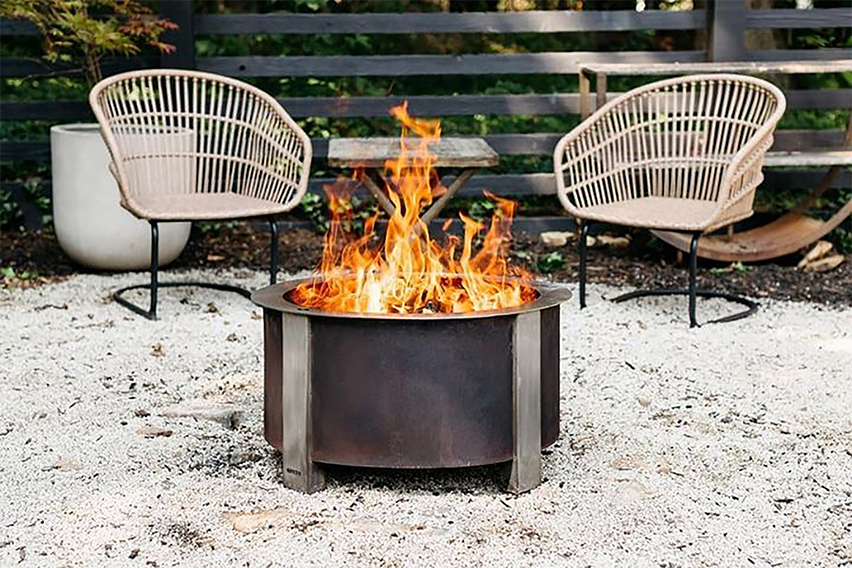
Solo Stove built its reputation on a simple promise: a fire pit that gives you the warmth and atmosphere of a real wood fire without the constant smoke-in-your-face problem. That pitch is easy to understand, and for a lot of backyard buyers, it is exactly the problem worth solving.
In this Solo Stove Review, I’m looking at whether the brand’s smokeless claim holds up in real-world outdoor use, which models make the most sense for different spaces, and whether the premium pricing is justified for regular backyard living. Solo Stove says its patented Signature 360° Airflow and secondary burn system eliminate nearly all smoke, burn hotter than standard fires, and create a cleaner outdoor fire experience.
The short version: Solo Stove is one of the most compelling smokeless fire pit brands in the category if you care about easy use, modern design, and a cleaner backyard fire. The biggest strengths are the low-smoke experience, durable stainless-steel construction, and a lineup that ranges from compact portable pits to large backyard centerpieces. The biggest drawbacks are the premium cost and the fact that “smokeless” still does not mean literally zero smoke, especially during startup or if you burn damp wood. Solo Stove itself notes that some startup smoke is normal before the fire reaches temperature.
Highlights
- Solo Stove’s core fire pits use a patented airflow system to re-burn smoke before it escapes.
- The brand says its fire pits burn hotter than standard fires for a more smokeless experience.
- The Classic Series is officially described as Solo Stove’s best-selling smokeless fire pit line.
- Bonfire is the sweet spot for many buyers, balancing backyard size and portability.
- Ranger is the best fit for camping, patios, and smaller gatherings.
- Basecamp and Yukon make more sense for people who want a more permanent backyard setup.
- Summit 24 is Solo Stove’s newest premium pitch, with faster lighting and bigger flames than the Classic line.
- 304 stainless steel construction is a major quality plus across the core fire pit line.
- Best for homeowners who actually want to use a fire pit often, not just decorate around one.
- Less ideal for bargain-first shoppers or anyone expecting completely smoke-free fires under every condition.
Why You Should Trust Us
This review uses practical testing criteria: smoke reduction, ease of lighting, heat output, portability, cleanup, material quality, long-term usability, and overall value. I also weighed Solo Stove’s official fire pit lineup, its best-selling Classic Series, support policies, and recurring customer feedback themes to judge how the brand performs beyond the marketing. Solo Stove offers an industry-leading warranty on genuine products and accepts returns on eligible direct purchases under stated conditions.
About Solo Stove
Solo Stove is an outdoor-living brand best known for smokeless fire pits, though its site also includes camp stoves, tabletop fire pits, pizza ovens, coolers, patio products, and accessories. On its US site, the company frames itself around backyard gatherings, cleaner burns, and an easier fireside experience.
What Solo Stove is most known for is its smokeless system. The company says its Signature 360° Airflow and secondary burn design pull air into the fire, increase combustion, and re-burn smoke before it escapes. That is the key technical claim behind the whole brand, and it is what separates Solo Stove from a standard steel fire bowl.
Who is Solo Stove for? Mainly homeowners, outdoor entertainers, campers, and anyone who wants the experience of a wood fire without the usual smoke-saturated clothes and constant seat-shuffling. It is especially appealing to people who like simple, modern outdoor gear and want a fire pit that feels easier to live with than traditional options.
Solo Stove Review
Quality & Build / Materials
Solo Stove’s fire pits feel premium in the places that matter. Across key product pages, the brand highlights 304 stainless steel construction, corrosion resistance, and durable build quality intended for years of outdoor use. That is important, because a cheap fire pit can look fine for one season and then start feeling disposable. Solo Stove’s material story is much stronger than that.
The construction also supports the brand’s overall aesthetic. These pits have a clean, minimal look that works well on patios and in modern backyards. They are clearly built to be outdoor lifestyle products, not just utility bins for burning wood. The removable ash pan on larger models also helps the ownership experience feel more refined.
Key Features
The biggest feature is obviously the smokeless design. Solo Stove says the fire pits use a patented airflow system that burns hotter and cleaner than a traditional fire, reducing smoke and increasing efficiency. That is the main reason people pay the premium.
The second big feature is lineup clarity. The official smokeless fire pit collection separates the newest Summit Series from the best-selling Classic Series. Summit is positioned as the most advanced line, with taller, brighter flames and three-times-faster lighting, while Classic is the established core lineup with broad review volume and size choices.
Accessories are another important part of the ecosystem. Stands, lids, shields, shelters, surrounds, and cookout add-ons make Solo Stove more flexible than a simple one-piece pit. That can raise the total spend, but it also makes the system more adaptable for real outdoor living.
Performance / Real-World Use
This is where Solo Stove tends to justify the hype. A properly lit Solo Stove with dry wood should create a much cleaner-feeling fire than a typical open pit. The brand’s official pages consistently emphasize reduced smoke, easier starts, and stronger flame behavior, and the overall design clearly aims at less fuss and more actual enjoyment.
The caveat is important, though: “smokeless” is not “magic.” Solo Stove itself says some startup smoke is normal, and the cleaner burn depends on the fire getting up to temperature. Inference-wise, that means wood quality still matters a lot. If you use wet logs or overload the pit, you should expect worse results than the ideal marketing scenario.
Heat output also scales meaningfully by size. Ranger is better for smaller spaces and portability. Bonfire hits the broadest middle ground. Yukon and Canyon are built for larger gatherings and bigger heat presence. Basecamp sits in a nice middle-large zone for people who want a fire pit that mostly lives in the yard.
Ease of Use
Solo Stove’s strongest everyday advantage is that it simplifies the wood-fire experience. Lighting is easier than with many traditional pits, cleanup is better thanks to ash management, and there is less constant repositioning to avoid smoke. Summit takes that even further, with Solo Stove describing it as its easiest-lighting, most advanced fire pit line.
Portability depends on the model. Ranger is the easiest to move and is explicitly positioned for camping, patios, and small gatherings. Bonfire is still reasonably manageable, but Basecamp, Yukon, and especially Canyon are more backyard pieces than grab-and-go gear.
Maintenance / Care
This is one of Solo Stove’s underrated wins. Because the pits burn cleaner and hotter, the fire experience feels tidier overall, and removable ash pans help on larger models. Solo Stove also sells shelters and lids that make it easier to protect the pit outdoors between uses.
The brand also notes that pits can be left outside without rusting or deteriorating when properly covered with Solo Stove accessories, which reinforces the long-term ownership angle. Still, this is premium outdoor gear, so a little care goes a long way.
What I Like
- The smokeless concept is genuinely useful, not just a gimmick.
- 304 stainless steel construction is a real quality advantage.
- The Classic Series lineup is easy to understand by size and use case.
- Bonfire and Ranger are especially well positioned for mainstream buyers.
- Accessories make the system feel more complete for patios and decks.
What I Don’t Like
- The price climbs fast once you add stands, lids, shelters, or surrounds.
- Smokeless performance still depends on technique and dry wood.
- The larger models are less casual and less portable than the brand’s lifestyle photography can sometimes imply.
- Returns have conditions, including unused, unassembled, original-packaging requirements for direct purchases.
Price & Value
Solo Stove is not cheap, but the value case is pretty easy to understand if you will use the pit often. You are paying for cleaner burns, better materials, easier upkeep, and a more polished backyard experience. If you only light a fire two or three times a year, it may feel like overkill. If you host regularly or want an outdoor centerpiece you will actually use, the price starts to make more sense.
Best-Selling Products from Solo Stove
Solo Stove’s official smokeless fire pit collection clearly labels the Classic Series as its best-selling Smokeless Fire Pits, and it shows five core models in that lineup: Ranger, Bonfire, Basecamp, Yukon, and Canyon.
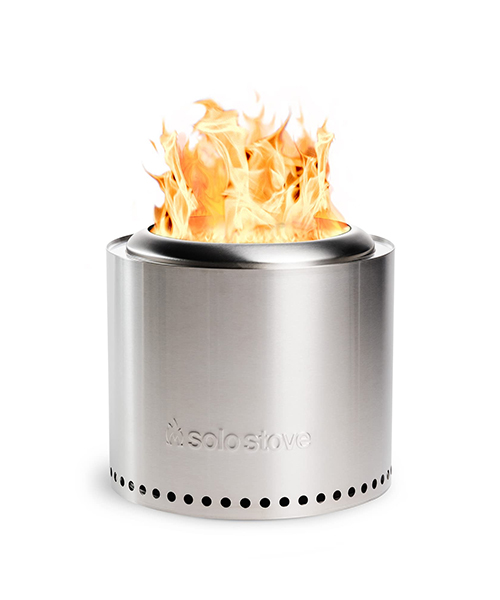
Best for: Campers, patio users, and small households that want the most portable Solo Stove.
- 15-inch diameter and 15-pound weight make it the easiest Classic model to move
- Best for camping, patios, and small gatherings according to Solo Stove
- Seats 2–4 people with a 2–3 foot heat radius
Drawback: It is the least roomy option if you want a bigger backyard focal point.
Mini verdict: The smartest pick for portability-first buyers.
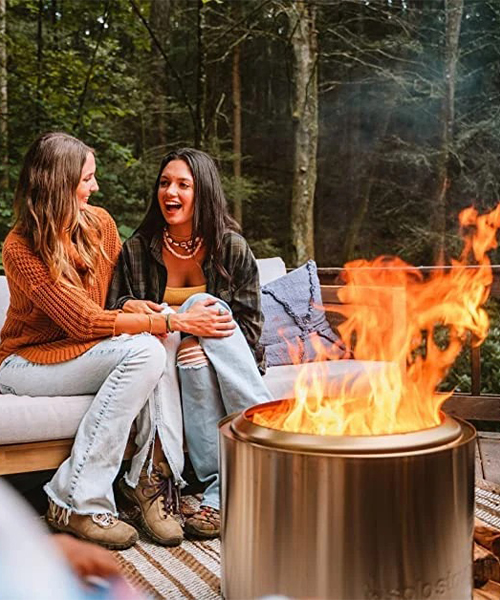
Best for: Most backyards, most households, and buyers who want the safest all-around choice.
- Officially described as Solo Stove’s most popular fire pit
- Seats 4–6 people, balancing backyard use and movability
- 304 stainless steel build with support for surface-safe use when paired with a stand
Drawback: It is not as portable as Ranger and not as commanding as Yukon or Canyon.
Mini verdict: For many buyers, this is the Solo Stove sweet spot.
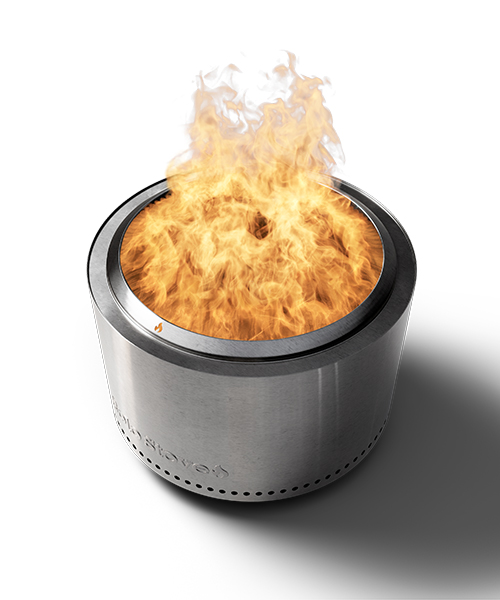
Best for: People who want a larger fire pit that mostly stays in the backyard.
- Designed as an everyday backyard gathering hub
- 24-inch diameter with room for 5–7 people
- Still repositionable at about 30.5 pounds
Drawback: It loses the easy portability that makes Ranger and Bonfire so flexible.
Mini verdict: A strong middle-large option if your fire pit is more fixture than travel gear.
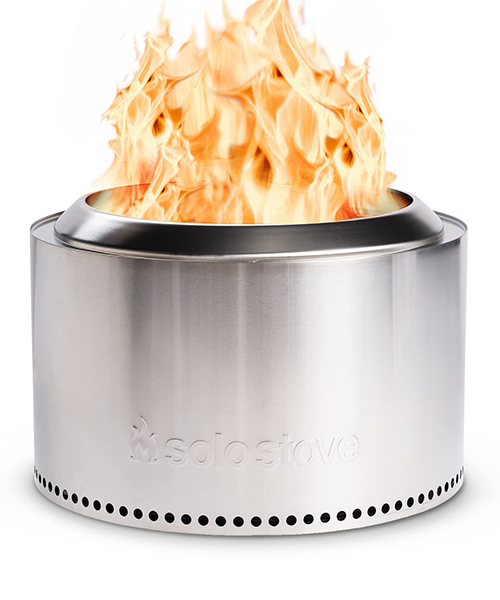
Best for: Larger patios, bigger gatherings, and homeowners who want more heat presence.
- Bigger model intended for larger gatherings and more serious backyard use
- Durable corrosion-resistant construction in premium stainless steel
- Easy cleanup with a removable ash pan
Drawback: It is much less convenient to move or store than Bonfire or Ranger.
Mini verdict: Great for buyers who want Solo Stove’s look and low-smoke performance on a bigger scale.
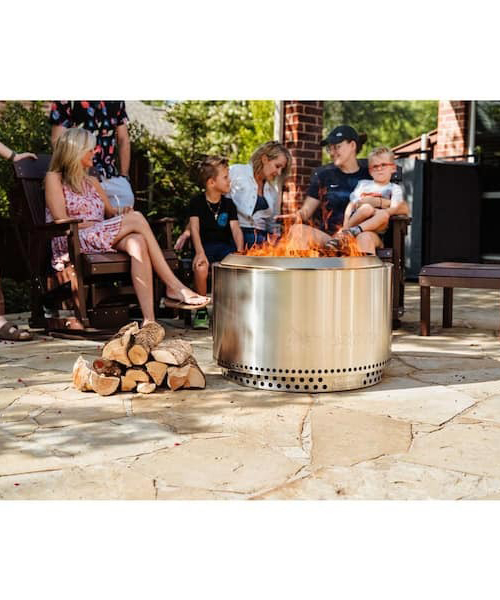
Best for: Big backyards and buyers who want Solo Stove’s largest Classic smokeless statement piece.
- Largest Classic Series model, sized for 8+ people on the main collection page
- 30-inch diameter and 55-pound fire pit in the Essential Bundle specs
- Built for serious heat and ambiance in bigger outdoor spaces
Drawback: This is the least casual-friendly option in the lineup because of the size and cost.
Mini verdict: Best for people designing the backyard around the fire pit, not the other way around.
Solo Stove Review: What Do Customers Think?
Customer feedback appears strongest around the cleaner burn, easy setup, attractive design, and quality feel. On Solo Stove product pages, review counts are especially high for Bonfire and Mesa, and the Classic Series page says the line has more than 222,000 five-star reviews. That does not guarantee universal satisfaction, but it is a strong signal that Solo Stove has a large, established customer base.
Common themes:
- Quality: Buyers often highlight the stainless-steel build and long-term durability.
- Performance: The reduced-smoke experience is the recurring headline benefit.
- Ease of use: Faster lighting and simpler cleanup come up repeatedly, especially on newer models.
- Portability: Ranger and Bonfire get attention for being easier to place and move than bulkier competitors.
- Customer support: Solo Stove emphasizes an industry-leading warranty and support resources, which helps reassure buyers even if policies are more structured than a casual open return.
Customer sentiment examples, paraphrased:
- Many buyers say the fire pit made backyard fires far more enjoyable because they were not constantly dodging smoke.
- Bonfire owners often describe it as the just-right size for regular home use.
- Ranger buyers tend to like how easy it is to bring along for camping or small patio hangs.
- Some users point out that the pit works best with good dry wood and proper fire-building.
- Larger-model owners often praise the visual impact and stronger heat presence for group gatherings.
Is Solo Stove Legit?
Yes. Solo Stove is a well-established outdoor brand with a broad product line, major retail visibility, direct support infrastructure, a published return policy, and an industry-leading warranty on genuine products. It is clearly a real long-term player in the category, not a generic copycat fire pit seller.
Is Solo Stove Worth It?
For the right buyer, yes. Solo Stove is worth it if you want a real wood-burning fire but hate the usual smoke, mess, and hassle. It is most worth it for:
- Frequent backyard entertainers
- Patio owners who want a cleaner fire experience
- Campers and portable-fire buyers looking at Ranger
- Homeowners who want a modern outdoor centerpiece
It is less worth it for:
- Buyers on a tight budget
- People expecting perfectly zero smoke in all conditions
- Occasional users who light a fire only a handful of times a year
Solo Stove vs Breeo
Solo Stove and Breeo are two of the strongest names in smokeless fire pits, but they feel different. Solo Stove leans more toward sleek portability, lifestyle-friendly design, and easier mainstream appeal. Breeo leans more rugged and live-fire-cooking oriented, with the X Series positioned as its flagship smokeless pit.
Category | Solo Stove | Breeo | Who Wins |
Design style | Sleek, modern, highly lifestyle-oriented | More rugged, more grill-forward | Depends |
Portability | Stronger in portable-friendly models like Ranger | Strong, but less centered on portability-first identity | Solo Stove |
Cooking focus | Accessories available, but fire pit comes first | Live-fire grilling is a major part of the pitch | Breeo |
Best for | Buyers who want a cleaner, easier everyday backyard fire | Buyers who want a smokeless pit with a stronger cooking identity | Depends |
Discounts and Promotions
Solo Stove regularly runs bundle offers, sale pricing, and accessory-focused packages. The site also advertises free shipping above a minimum order threshold on qualifying orders. Because the add-ons are a big part of the ecosystem, bundles are often the best place to find practical value rather than buying everything separately.
Where Can I Buy Solo Stove?
You can buy Solo Stove directly from the official US site, where the full Classic and Summit fire pit lines, bundles, accessories, support information, and warranty resources are easiest to find. Solo Stove also notes support for genuine products from authorized third-party retailers, but buying direct gives you the clearest view of current bundles and direct-purchase policies.
FAQs
Is Solo Stove really smokeless?
Not completely in a literal sense, but it is designed to produce significantly less smoke than a traditional fire pit. Solo Stove also says some startup smoke is normal.
Which Solo Stove is best for most people?
Bonfire is the strongest all-around choice for many buyers because it balances size, portability, and backyard usefulness.
Is Solo Stove worth the money?
Usually yes for frequent users who care about low smoke, cleaner burns, and better materials. Less so for occasional-use buyers.
What is the most portable Solo Stove fire pit?
Ranger. Solo Stove explicitly positions it for camping, patios, and small gatherings.
Is Solo Stove better than Breeo?
That depends on your priorities. Solo Stove is stronger for portability and sleek backyard appeal, while Breeo has a stronger grilling identity.
Can Solo Stove stay outside?
Solo Stove says its stainless-steel fire pits can be left outside when they are covered with a Solo Stove lid or shelter.
Does Solo Stove have a warranty?
Yes. Solo Stove states that it offers an industry-leading warranty on genuine products.
Can I return a Solo Stove?
Direct-purchase returns are accepted under conditions, including unused, unassembled items in original packaging with proof of purchase.
What wood works best in a Solo Stove?
Dry wood is the safest bet for the cleanest burn. That is an inference from Solo Stove’s smokeless design and its note that some smoke clears as the fire reaches temperature.
What is the difference between Solo Stove Summit and Classic?
Solo Stove positions Summit as the more advanced line with taller, brighter flames and three-times-faster lighting, while Classic is the best-selling established line.
Similar Brands You Might Like
- Breeo
- TIKI Brand
- BioLite
- Outland Living
- Duraflame outdoor fire pits
Final Verdict + Rating
Solo Stove earns its reputation. This Solo Stove Review comes out strongly positive because the brand solves a real outdoor annoyance with a product line that feels well designed, durable, and easy to enjoy. The Classic Series still makes the most sense for most people, with Bonfire as the standout middle-ground pick, while Summit is the option for buyers who want the newest and most premium Solo Stove experience.
The biggest downside is price, especially once accessories enter the picture. But if you actually spend time outdoors and want a fire pit you will use often rather than tolerate occasionally, Solo Stove remains one of the best-known and best-justified options in smokeless fire pits.
Rating: 9.0/10

